















In today’s fast-paced business world, staying compliant with regulations is crucial. Manual compliance processes are often time-consuming and prone to errors. Automated compliance software offers a solution to these challenges.
This technology streamlines compliance tasks, reducing the burden on your team. It ensures that your organization stays up-to-date with ever-changing regulations. With automated compliance software, you can focus on strategic goals rather than tedious paperwork.
Real-time monitoring and reporting capabilities enhance your ability to manage risks. These tools provide insights into potential compliance issues before they escalate. They also ensure consistent application of policies across your organization.
Automated compliance solutions are customizable to fit specific industry needs. They integrate seamlessly with existing systems, offering a centralized approach to compliance management. Embracing this technology can lead to significant cost and time savings.
What Is Automated Compliance Software?
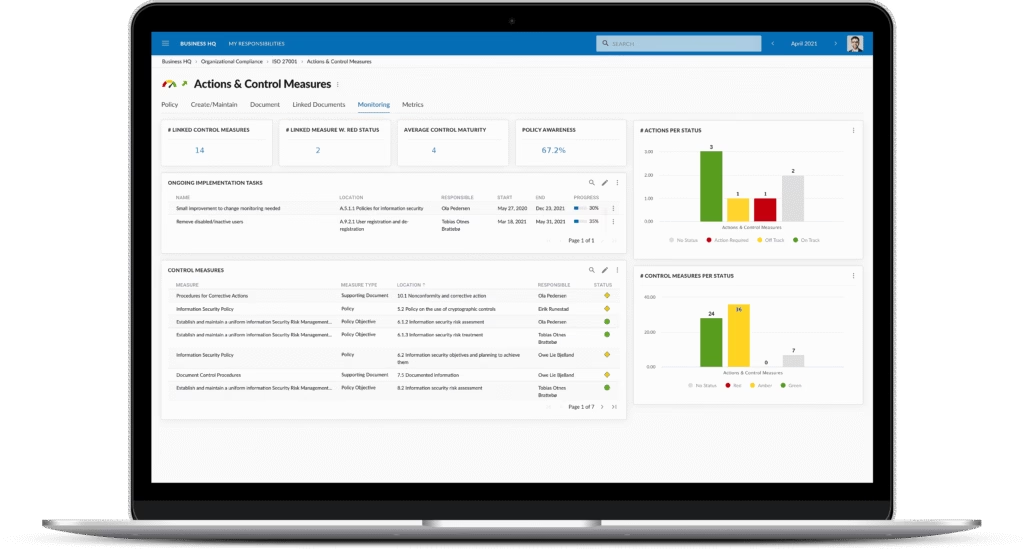
Teammate Automated compliance software is a digital solution designed to simplify compliance processes. It automates the collection, analysis, and reporting of compliance data.
This software addresses complex regulatory demands by ensuring adherence to industry standards. By minimizing manual input, it reduces errors and enhances accuracy.
The key functionalities of automated compliance software typically include:
- Automating routine compliance tasks: Reduces manual workload.
- Monitoring regulatory changes: Keeps your organization updated.
- Generating compliance reports: Facilitates audit readiness.
- By using such software, organizations can maintain a proactive stance toward regulatory changes. Compliance management becomes more efficient and less labor-intensive with automation. Moreover, automated solutions often come with customizable features. This ensures they meet the unique compliance needs of different industries. As a result, companies can tailor these solutions to better align with their operational goals.
- The Growing Need for Compliance Management Software
- In today’s regulatory environment, staying compliant is more challenging than ever. Regulations continuously evolve across numerous industries.
- Organizations face immense pressure to keep up with these changes. Traditional, manual compliance methods are often inadequate and prone to errors.
- Compliance management software is now essential for modern businesses. It provides a systematic approach to handling complex regulations. This software aids in maintaining an up-to-date compliance status, reducing risks associated with non-compliance.
- The demand for compliance management software grows due to:
- Increased regulatory requirements: Affecting various sectors.
- Complexity of managing data: Across different jurisdictions.
- Need for real-time oversight: To address compliance challenges swiftly.
- Implementing Teammate compliance management solutions ensures that organizations can adapt quickly. By automating processes, companies can focus on strategic initiatives rather than administrative tasks. This proactive compliance approach ensures organizations remain competitive in a complex regulatory landscape.
Key Features of Automated Compliance Software
Teammate App Automated compliance software is rich with features designed to simplify regulatory management. These tools offer comprehensive support for organizations striving to maintain compliance.
One of the standout features is real-time monitoring. This allows businesses to track compliance statuses continuously and respond promptly to potential issues. Real-time data ensures proactive rather than reactive management.
Integration capabilities are also crucial. Automated compliance solutions can seamlessly connect with existing systems, promoting smooth data flow. This integration helps consolidate compliance data into a single, accessible platform.
Another key feature is customizability. Compliance software is adaptable, catering to specific industry needs and particular regulations. Users can set parameters aligned with their unique compliance requirements.
The software often includes a centralized repository for documentation. This feature simplifies access to vital compliance information and evidence. It enhances transparency and accountability across the organization.
Key features of automated compliance software include:
- Real-time monitoring
- Integration with existing systems Customizability for specific needs
- Centralized documentation management
- Proactive issue detection
These features collectively streamline compliance efforts. They help companies manage risks and meet regulatory requirements more efficiently, supporting strategic objectives.
How Automated Compliance Software Works
Automated compliance software uses advanced technologies to simplify regulatory adherence. It starts with data collection. The software gathers information from multiple sources within the organization.
Next, the software analyzes this data using predefined compliance rules. This analysis ensures that all processes and transactions align with regulatory requirements. The system flags discrepancies, prompting further review.
Reporting is another crucial aspect. The software generates detailed reports, offering insights into the compliance status. These reports can be customized to meet the needs of various stakeholders, including regulators and internal auditors.
Continuous updates ensure that compliance software remains relevant. As regulations change, the software updates to reflect these new standards. This adaptability helps organizations stay compliant without manual intervention.
Key processes in automated compliance software include:
- Data collection from various sources
- Analysis using compliance rules
- Reporting for transparency and insights
- Continuous updates to reflect regulatory changes
This systematic approach ensures robust compliance management, reducing potential risks and penalties.

Top Benefits of Automated Compliance Software Solutions
Automated compliance software offers multiple advantages. It simplifies complex compliance processes and reduces manual tasks. This automation minimizes human error, leading to more reliable operations.
One major benefit is the constant alignment with evolving regulatory requirements. The software updates seamlessly, ensuring compliance without additional effort. This adaptability is crucial for dynamic regulatory environments.
Another advantage is the improved efficiency in risk management. The software identifies potential compliance issues early, allowing for proactive interventions. Organizations can therefore focus on preventive actions, reducing fines and penalties.
Cost savings are also significant. Automated solutions reduce the labor and time spent on audits. This efficiency translates into considerable financial savings.
The software enhances transparency. It provides real-time monitoring and comprehensive reports, fostering accountability. Additionally, these tools support strategic planning by offering insights into compliance trends.
Key benefits include:
- Seamless updates with regulations
- Enhanced risk prevention
- Significant cost reduction
Enhanced communication and collaboration among teams is another asset. The software facilitates information sharing, which improves decision-making processes. All these factors contribute to long-term organizational success.
1. Streamlined Compliance Processes
Automated compliance software greatly simplifies regulatory processes. It reduces the need for manual oversight, allowing teams to focus on core activities.
Key aspects include:
- Automation of routine checks
- Reduction of administrative burdens
- Efficient workflow management
By automating these tasks, organizations enhance compliance efficiency. This streamlining prevents errors and ensures timely adherence to regulations.
2. Real-Time Monitoring and Reporting
Real-time monitoring is a standout feature of compliance software. It enables organizations to track compliance status continuously.
Benefits include:
- Instant alerts for potential breaches
- Comprehensive, customizable reports
- Faster response to compliance issues
These capabilities ensure that organizations are always aware of their compliance posture. The detailed reporting fosters informed decision-making at all levels.
3. Enhanced Risk Management and Early Issue Detection
Risk management is crucial for regulatory adherence. Automated software excels in this area by detecting issues early.
Advantages involve:
- Immediate identification of risks
- Preventive actions to mitigate threats
- Improved compliance outcomes
This proactive approach saves organizations from costly penalties. Early detection allows for corrective measures before issues escalate.
4. Cost and Time Savings
Automated compliance solutions result in substantial cost and time savings. They decrease reliance on manual compliance efforts.
Savings include:
- Reduced labor costs
- Faster audit processes
- Minimized downtime
Investing in automated software reduces overheads and improves efficiency. Organizations achieve better results with fewer resources.
5. Improved Data Accuracy and Integrity
Data accuracy is vital in compliance. Automated tools enhance precision by eliminating manual data entry errors.
They ensure:
- Consistent data collection
- Reliable and precise analyses
- Enhanced reporting accuracy
Accurate data aids in compliance verification, building trust with stakeholders and regulators alike.
6. Scalability and Flexibility for Growing Organizations
Scalability is essential as businesses expand. Automated compliance software supports this growth effortlessly.
Key features include:
- Seamless integration with existing systems
- Flexible to adapt to increased regulations
- Capacity to handle growing data volumes
These attributes ensure that compliance management evolves with organizational needs, maintaining efficient operations.
7. Better Collaboration and Communication
Effective compliance relies on seamless communication. Automated tools facilitate collaboration across teams.
They support:
- Centralized access to compliance data
- Streamlined communication channels
- Coordinated compliance efforts
By enhancing communication, organizations can tackle compliance challenges more effectively, aligning teams toward common goals.
Use Cases: Industries and Scenarios That Benefit Most
Automated compliance software provides substantial advantages across various industries. Its versatility makes it indispensable, particularly in sectors with stringent regulations.
The financial industry is a prime example. Banks and financial institutions face constant regulatory changes. Automated solutions help them stay compliant with minimal effort.
Healthcare is another sector that benefits greatly. Regulatory compliance with patient data protection and privacy laws is critical here. The software ensures adherence to standards like HIPAA, improving patient data security.
Manufacturing and supply chain management also gain from automation. They deal with complex regulations related to safety, quality, and environmental standards.
Key industries benefiting from automated compliance software include:
- Financial services
- Healthcare
- Manufacturing
- Supply chain management
These examples illustrate the wide applications of compliance software. Regardless of the industry, the software enhances operational efficiency and regulatory adherence.
Choosing the Right Regulatory Compliance Software
Selecting the right regulatory compliance software requires a strategic approach. Each organization has unique compliance needs. It’s vital to align the software’s features with these specific requirements.
Consider software that integrates seamlessly with existing systems. This ensures smooth data exchange and minimizes disruptions. Look for solutions offering customizable features to adapt to changing regulations.
Evaluate the provider’s support and training options. Effective support is crucial for smooth implementation and ongoing usability. Training resources empower your team to leverage all software features.
Key considerations when choosing compliance software:
- Integration capabilities
- Customization options
- Provider support and training resources
By focusing on these factors, you can select a solution that streamlines compliance processes effectively. A tailored approach leads to improved compliance and operational efficiency.
Implementation Best Practices for Compliance Management Software
Successful implementation of compliance management software begins with thorough planning. Start by assessing your organization’s needs and objectives. This will guide the deployment process and ensure alignment with business goals.
Involve key stakeholders early, including compliance officers and IT teams. Their input is valuable for addressing potential challenges and ensuring smooth integration. Clear communication among all parties is crucial during this phase.
Focus on continuous learning and adaptation post-implementation. Regularly update your systems to keep up with regulatory changes. Training staff on the latest features keeps everyone proficient and increases software utility.
Best practices for implementation include:
- Needs assessment and planning
- Stakeholder involvement and clear communication
- Ongoing training and updates
Following these best practices will streamline the software integration and enhance its effectiveness across your organization.
Overcoming Common Challenges in Compliance Automation
Implementing compliance automation can present challenges, such as resistance to change. Employees might be hesitant to adopt new systems. To address this, ensure thorough training and emphasize long-term benefits.
Another challenge is data migration. Transferring old records to the new system can be complex and time-consuming. Ensure robust data management strategies to prevent loss or corruption.
Key strategies to overcome challenges include:
- Emphasizing benefits through training
- Effective change management
- Robust data migration plans
By anticipating these challenges, organizations can ensure a smoother transition and maximize the benefits of their compliance automation solutions.
The Future of Compliance Technology: Trends and Innovations
Compliance technology is evolving with rapid advancements. AI and machine learning are increasingly utilized for predictive compliance analytics. These innovations offer the potential to anticipate and mitigate compliance risks more effectively than ever before.
Emerging trends include blockchain integration for secure, tamper-proof records. Additionally, cloud-based solutions continue to gain traction, allowing for seamless updates and global access. Key innovations transforming compliance technology include:
- AI and machine learning analytics
- Blockchain for secure data management
- Cloud-based compliance platforms
These trends signify a shift towards more resilient and agile compliance strategies, prepared to meet future challenges.
Conclusion: Embracing Automated Compliance for Long-Term Success
Teammate Automated compliance software stands as a crucial investment for organizations committed to regulatory excellence. As regulations grow complex, these tools offer significant advantages in handling compliance demands effectively.
Embracing such technology ensures not only current compliance but also prepares companies for future challenges. Automated systems provide accurate data, streamlined processes, and enhanced risk management, which are vital for sustainable growth.
By adopting automated compliance solutions, businesses can secure their competitive edge, safeguard their reputation, and focus on strategic objectives. Long-term success hinges on leveraging these innovations in compliance management.